

The Best Woman & Minority-Owned Coffee in Philadelphia
Looking for the best ethically sourced, small-batch coffee in New Jersey? In this roundup, we spotlight the top coffee roasters in the Garden State.
Philadelphia has never been shy about flavor, or about standing up for what matters. And in the city’s growing specialty coffee scene, a group of woman- and minority-owned roasters and cafe owners are redefining what great coffee means. It’s not just about the cup in front of you; it’s about the people, places, and values behind it.
One micro-roaster at center of this movement is newcomer, Cultura Coffee, one of Philly’s only woman- and Latino-owned coffee company. From the quite streets of East Falls, Cultura is importing single-origin Colombian coffee directly from farmers they know and trust. They roast each batch with intention, making sure the beans’ natural character shines through, and they give back to the city they call home by supporting community fridges, Vamos Juntos, Girls on the Run, and other local causes.
“By the time it hits your cup, it has traveled farther than most people ever will. And if care is taken, it tastes like it. Everything else is just noise.”
- Ed, Cultura Coffee Co-Founder
Cultura’s approach blends Colombian culture with Philly grit, building a bridge between farmers in the mountains of Colombia and coffee drinkers in the heart of Pennsylvania.
But Cultura Coffee isn’t alone in this mission. Across Philadelphia, other woman- and minority-owned roasters are proving that coffee can be as good for the community as it is for your taste buds. Here are a few you should know AND TRY:
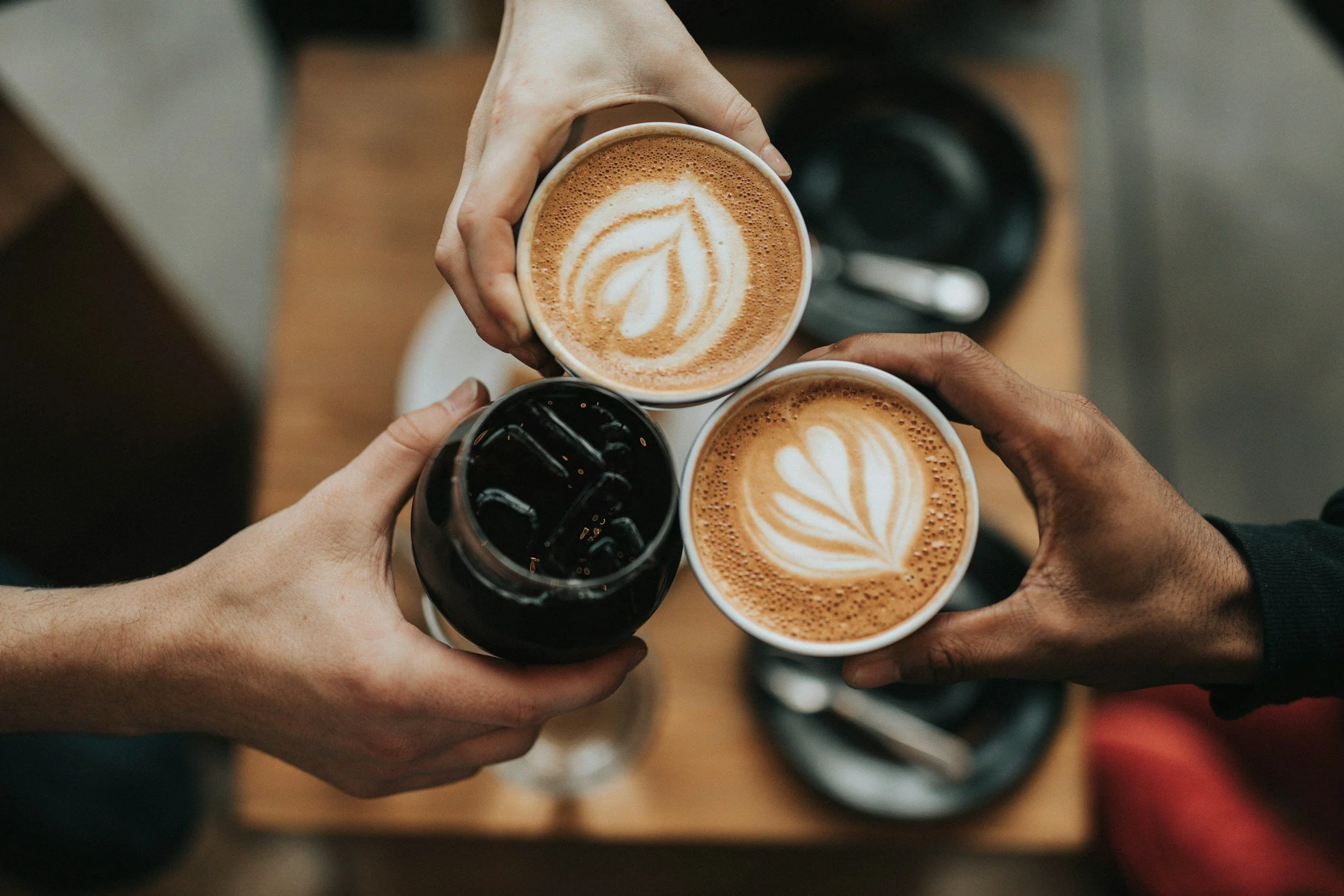
1. Cultura Coffee — East Falls
Cultura coffee is a direct-to-consumer micro-roatser founded with a deep respect and connection to Colombia’s coffee culture. Thier mission is to bridge the gap between Colombia’s best farms and thier Philadelphia neighbors.
✨ Woman and Latino-Owned, Community Staple
2. Càphê Roasters – Kensington
If you haven’t heard of the Càphê story, you have likely been living under a rock for the past few years. The first Vietnamese specialty coffee roaster in Philly, founded by Thu Pham. Càphê bridges cultural heritage and specialty coffee through traditional Vietnamese methods and fair-trade sourcing, with proceeds helping local immigrant and refugee communities.
✨ Vietnamese and Woman-Owned, Culture and Community Focused
3. Café Tinto – Juniata (coming soon to Fishtown)
A hidden gem—a small woman-owned spot delivering hand-roasted batches from Latin American cooperatives straight to your cup, along with Colombian baked treats. Cozy, conversation-first, and heart-first in every roast.
✨ Latina-Owned, Community Staple
4. Thunder Mug Café – East Falls
A Black woman-owned café with a heart. Thunder Mug was recognized by the Philadelphia 76ers' Buy Black Program and is known for its baked goods, community warmth, and fair coffee sourcing.
✨ Black Woman-Owned, Community-Tight
5. Uncle Bobbie’s Coffee & Books — Germantown
Founded by Marc Lamont Hill in Germantown, this space blends quality coffee with community and literature. A beloved venue for author talks, storytelling, and inclusive programming.
✨ Black -Owned, Intellectual and activism hub
6. Arterial Coffee — Mantua / University City
This cozy, family-owned café is known for its quality coffee, espresso drinks, locally sourced small bites, and welcoming atmosphere. The shop also serves as a community hub where students and locals alike gather to work, hang out, and enjoy thoughtfully prepared beverages and food.
✨ Black -Owned, Great for students

A Return to Coffee Country (part 1)
Ed and Jess land in Colombia and get ready to visit their first farm.
We’re back from coffee country: Colombia. We saw and did so much, it’s hard to capture it all, but I’ll use this space to document as much as I can.
We arrived at night and called for our Uber. One interesting thing about Medellín is that even the airport cab stand has little bars. First thing I noticed? The Aguardiente is different now. If you haven’t tried it, it’s a local liquor—part rum, part sambuca. It’s got that star anise flavor. Last time, I saw red and blue bottles. This time? A green one. And later, a yellow?! They all kinda taste the same, but I became obsessed with figuring them out. I don’t drink much these days, but I’m always interested in new stuff.
It sounds silly, but the Uber ride from the airport is always a treat. It’s nighttime, so after emerging on the other end of a (seemingly endless) tunnel, there’s a large dark valley and all the little barrios are lit up with white lights. It’s very exciting and nostalgic for Ed and Jess.


We check into a hostel and head right over to our favorite neighborhood, and no, Ed doesn’t want to say the name of the neighborhood because he likes how local and quiet it is. Once there, we hit up one of our favorite little parks. There are bars and restaurants around the park. Another thing that’s very interesting and different about Colombia is how much people love the parks. They’re central meeting places for the community. Ed is particularly enamored with this fact. When you visit the parks at night, there’s music playing from all directions, usually nothing intrusive. There are couples and groups of friends everywhere. Everyone is happy and smiling, and it stands as a reminder that happiness is contagious. We plop down at one of our old haunts and enjoy a beer, a burger, that green-top Aguardiente (they all taste the same), and we proceed to add to the collective happiness of the community. We are back, and it feels great.
Not everything was perfect. Our apartment could use soundproof windows. At his grumpiest, Ed said it was like sleeping on the street. Jess might agree… just not out loud.


For now, we’re headed for our first farm. It’s in a town called Ebéjico [eh-beh-hee-kho], about an hour outside of Medellín. The road winds along cliffsides, with clouds floating below due to the shifting climate and altitude. As you look into the valley, you’re staring at the clouds. It feels like driving into the sky.


Upon arrival, we’re in a sleepy little town. Most of the little pueblos have a bit of a “wild west” vibe. There are at most two main roads lined with little shops filled with people who are hard at work or waiting for customers. In this particular town, there is what I might call a “weigh station.” This is where we’d meet the folks of Café de Los Cedros. It’s run by a young, ambitious gent by the name of Juan David. It’s also where Cherry Bomb will be coming from. They explain to us the purpose of the weigh station and how coffee is graded via their in-house Q-grader. Q-graders are the extremely talented folks who have the unique capacity to rate coffee. As we stroll through the town, it’s apparent these folks are valued members of the community.


After a snack, we hop in a truck and head toward the farm. It’s a long, slow ride up the mountain. Lots of clouds, small properties along the way. Believe it or not, there are coffee plants everywhere in Colombia. I’m not sure if it’s from human intervention, naturally, or an act of defiance. They’re even in the city of Medellín. We arrive at the farm, and after a short introduction, we’re off climbing the hillside. The coffee plants are bigger than I remember. Some species are around 5 to 6 feet tall and about 4 to 5 feet wide. Some of the exotics (like our Pink Bourbon) are about 8 feet tall. All the different shades of green are almost overstimulating. As we climb the path up, I pick the ripe coffee cherries and collect their seeds (coffee beans). I had this goofy compulsion to remove the fruit (which tastes great, by the way) and strip off the mucilage—muselago.
This served as the introduction to our journey. We met some extremely passionate people and our newest harvest. The folks at Café de Los Cedros are cultivating amazing coffee, but not only that, they are adding processes that are still fairly uncommon in Colombia. Finally, they are using innovative methods that reduce water usage without sacrificing quality. It may not be apparent, but these farmers are taking a huge risk and making big investments to create coffees and processes that fall into the specialty category of Colombian coffee.


Coffee farms are a magical place. I believe, similar to forests, there’s a “green therapy” thing going on, and Colombia has no shortage of green spaces.


So much has changed since our last visit. Some friends got married, had kids, some adopted multiple wiener dogs (yes, multiple), and somehow, our friends are now full-on doctors. It was worth every second to reconnect. But time to sign off… part two coming soon!
Top Coffee Roasters in New Jersey (2026)
Looking for the best ethically sourced, small-batch coffee in New Jersey? In this roundup, we spotlight the top coffee roasters in the Garden State.
Looking for the best ethically sourced, small-batch coffee in New Jersey? The Garden State is home to a vibrant scene of coffee roasters who care deeply about quality, transparency, and community.
In this roundup, we spotlight the top coffee roasters in NJ who prioritize sustainability, fair trade, and direct farmer relationships—including Cultura Coffee, a Philly neighbor with deep roots in NJ. If you're searching for sustainable NJ coffee roasters, direct trade coffee in New Jersey, or eco-friendly local coffee, this list is your go-to.

☕ Top Sustainable & Ethically Sourced Coffee Roasters in NJ (2026 Edition)
1. Cultura Coffee – PA/NJ (2025 NJ Coffee Fest Vendor)
Cultura Coffee is all about doing one thing really Really well: Colombian coffee at its freshest and most vibrant. Roasting in both the Jersey Shore and Philly, they build relationships with smallholder farms on the ground in Colombia, ensuring every bean is sourced sustainably and ethically. Their roasts are focused on highlighting origin and quality above all.
✨ Direct Trade, Woman and Latino-Owned, Community-Focused
Try Cultura Coffee
2. Maiden Coffee Roasters – Jersey City, NJ / Asbury Park, NJ
Maiden Coffee is a modern New Jersey roaster committed to ethical sourcing and traceable supply chains. Their flagship café is located inside Café Volan in Asbury Park, where locals and visitors alike enjoy their clean, dynamic single-origin brews. Maiden partners with importers and farms that meet high environmental and social standards.
✨ Sustainable Sourcing, Micro-Roaster, Inclusive Space
3. Black River Roasters – Whitehouse Station, NJ
Black River Roasters specializes in certified organic and Fair Trade coffees. They roast fresh daily and source from small cooperatives that meet rigorous sustainability standards, including Rainforest Alliance and Bird Friendly certifications.
✨ Organic, Fair Trade, Eco-Friendly Packaging
4. Red Phoenix Coffee Roasters – NJ
Red Phoenix starts with coffee grown on environmentally conscious farms and uses energy-efficient roasting systems. They're committed to reducing emissions, minimizing waste, and delivering excellent quality through conscious sourcing.
✨ Energy-Efficient Roasting, Eco-Conscious Farming
5. Java Love Coffee Roasting Co. – Montclair, NJ
Woman-owned and proudly local, Java Love roasts organic and ethically sourced beans with a community-driven mission. They support social causes and environmental sustainability while maintaining a fun, accessible vibe.
✨ Woman-Owned, Fair Trade, Community Driven
6. Penstock Coffee Roasters – Highland Park, NJ
Formerly OQ Coffee, Penstock is known for cultivating direct trade relationships and sourcing only traceable microlots. Their quality-first approach is paired with educational programming and transparency.
✨ Direct Trade, Traceability, Educator-Oriented
7. Queen City Coffee Roasters – Plainfield, NJ
Queen City takes a relationship-based approach to sourcing, working closely with importers who value transparency and equitable practices. Their blends and single origins are roasted with intention and character.
✨ Relationship Coffee, Community Investment
8. Fair Trade Coffee Company – Plainfield, NJ
With over 20 years of small-batch roasting under their belt, this company is committed to sourcing exclusively Fair Trade certified beans. They roast fresh every few days to ensure top quality and taste.
✨ Fair Trade Certified, Long-Standing Ethical Roaster
9. Rippin Coffee Roasters – NJ (2025 NJ Coffee Fest Vendor)
A standout at this year’s NJ Coffee Fest, Rippin Coffee is a rising star known for local transparency and increasing focus on direct sourcing relationships.
✨ Local Roaster, Festival Favorite
10. Steady Hand Café & Collective – NJ (2025 NJ Coffee Fest Vendor)
This collective-based café and roaster centers around equity and sustainability, sourcing from ethical cooperatives and building a platform for inclusive community coffee education.
✨ Collective Model, Ethical Co-Op Sourcing
11. Grover's Mill Coffee Shop – Lawrenceville, NJ
Grover's Mill is a cozy, community-focused coffee shop that takes sustainability seriously. They roast small batches with an emphasis on direct trade and eco-friendly practices, sourcing beans that support farmers and protect the environment. Their welcoming vibe makes it a local favorite for both serious coffee lovers and casual sippers.
✨ Direct Trade, Small Batch, Community-Centered
Visit Grover's Mill Coffee Shop
12. Paper Street Coffee – Cresskill, NJ (2025 NJ Coffee Fest Vendor)
Paper Street Coffee is all about precision and passion. This Jersey Shore roaster crafts thoughtfully sourced coffees with a strong commitment to fair trade and sustainable farming practices. Their roasting approach highlights the unique stories behind each coffee, inviting drinkers to savor complexity and ethical impact in every cup.
✨ Fair Trade, Artisan Roasting, Story-Driven
Visit Paper Street Coffee
Whether you're hunting for your next favorite bag of beans or seeking wholesale partners who share your values, these NJ coffee roasters deliver on ethics, quality, and taste. Bookmark this guide and drink responsibly!
For wholesale inquiries, café partnerships, or bulk orders from Cultura Coffee, get in touch with us here.
Subscriptions Page Work in Progress
Hey Crew! Jess and Ed here—We wanted to let y’all know, we heard some suggestions and we have a bit of a stopgap in place. But no worries.
The Problem:
Some customers suggested updates to the subscriptions model that we’re using.
What does that mean to me?
We’ve found that due to the platform we’re using to host our beautiful site, there are limitations to the sales platform. Don’t worry, everything works and is secure and all that—it is just a pain to customize the products in a manner that works for us.
The Solution:
Cultura Coffee will be looking to move to a platform that is better designed for our products and subscriptions.
So, you’re closing? Will that break stuff?
No, and No.
tldr;
Unless you want a technical talk with Ed, just know, Cultura Coffee is here for you. We’ve heard your feedback and we want y’all to be happy. We’re moving platforms to give you a better shopping experience around subscriptions and a better inventory management page for us.

Punk’n Coffee Spice Recipes
How to brew the perfect pumpkin spice drink with Cultura Coffee's Punk'n Coffee Spice.

Punk’n Spice Syrup
Brew up a little fall (or year-round) magic with this super easy, 4-ingredient pumpkin spice syrup! Perfect for your cup of Culture coffee, drizzling over pancakes, or even adding a spooky twist to your favorite cocktails. In just 5 minutes, you’ll have a potion that captures all the cozy, haunting vibes of the season.
Ingredients:
¾ cup water
¾ cup brown sugar
¼ cup pumpkin purée
2 teaspoons of Cultura Coffee’s Punk’n Spice
Instructions:
Conjure your cauldron: Whisk together the water, brown sugar, pumpkin purée, and spice in a small pot.
Simmer the spell: Let the mixture bubble and brew over medium heat for about 3 minutes, stirring occasionally.
Strain the magic: Pour the syrup through a fine mesh strainer to remove any pulp, leaving you with a silky, spellbinding syrup.
Enchant your treats: Stir a tablespoon into your coffee for a bewitching pumpkin spice latte, or drizzle it over sweet treats.
Store your spooky syrup in the fridge for up to a week, or freeze it in ice cube trays for a longer-lasting potion 🎃✨

Punk’n Spice Brew
Time to get all warm and cozy! Here’s how to add Punk’n spice mix directly to your cup of Cultura coffee.
Pre-Brew: Infuse the Flavor
Sprinkle ½ teaspoon of Coffee Spice per mug into your coffee grounds before brewing. This trick works perfectly for drip coffee, pour-over, French press, and even espresso. You’ll end up with a brew that tastes like autumn in a cup—think warm, spicy vibes all the way!
For Aeropress users: Coffee Spice tends to clog those paper filters (yikes!), so we suggest sprinkling it directly into your mug post-brew.
Post-Brew: Top It Off!
If you’re all about adding a finishing touch, this one’s for you! Dust ⅛ teaspoon of Coffee Spice per cup on top of your freshly brewed coffee. Want to take it up a notch? Froth it with your milk for a creamy, dreamy, spiced-up latte.
Mix It Your Way
These are just starting points, so don’t be afraid to play around! Go ahead and brew up your best spooky season sips, and let us know how you’re enjoying your Coffee Spice creations! 👻🍁